
Nothing in life is to be feared, it is only to be understood. Now is the time to understand more, so that we may fear less.
Marie Curie
Of all the words that have shaped how I understand life and leadership, these are among the ones I return to most often.
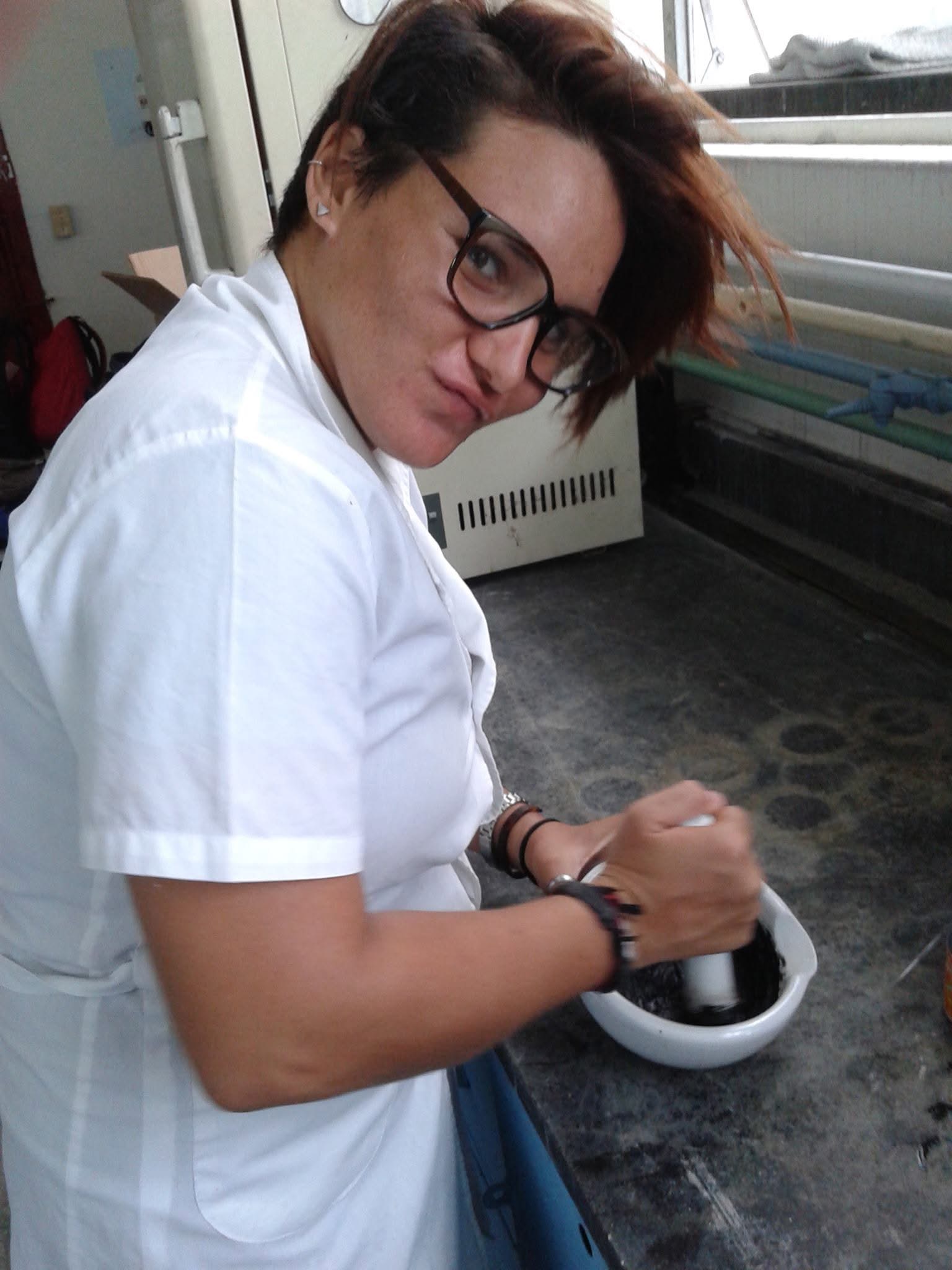
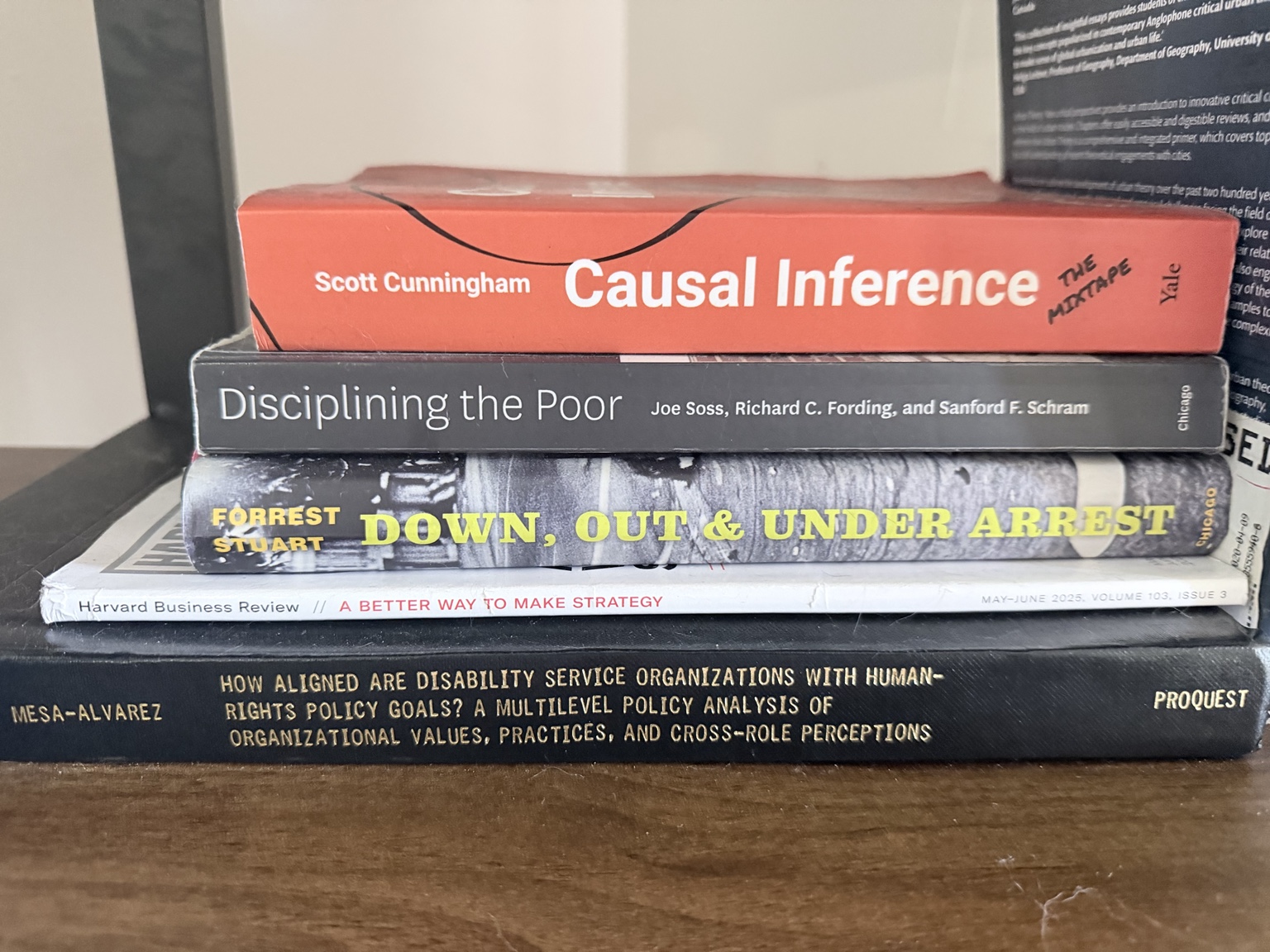
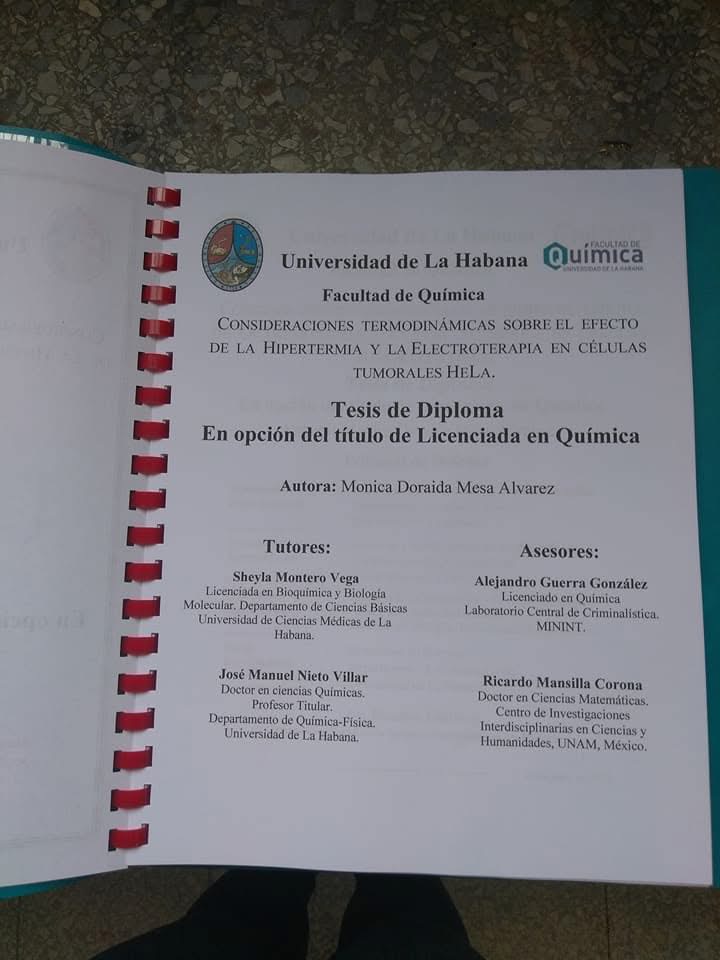
I am a scientist by training and a disability policy researcher by profession. But perhaps more than anything, and perhaps because of my academic upbringing, I am a person deeply driven by curiosity. The desire to ask questions, challenge what I think I know, and understand the world a little better than I did yesterday may be what keeps me moving forward, even on the darkest days.
Marie Curie was one of the first figures who inspired my love for science and my determination to question socially imposed limitations. Long before I understood what leadership meant, I admired her courage to pursue knowledge, venture into the unknown, and dedicate herself to understanding what others had yet to explain and often feared. From her, I first learned that curiosity is not simply an intellectual quality. It can also be an extraordinary act of courage.
As I have grown, both personally and professionally, her words have taken on meanings that extend far beyond science. They have become a professional and academic mantra, but also a deeply personal challenge.
Leadership in the presence of fear
I live with anxiety. There are moments when uncertainty feels overwhelming, when the unknown seems larger than my ability to navigate it, and when fear takes control. In those moments, I often return to this quote. Not because understanding makes every fear disappear, but because it reminds me that I do not have to let fear determine what comes next.
I can choose to ask another question, and then perhaps another. I can choose to learn. I can choose to approach uncertainty with curiosity rather than surrendering to it.
In many ways, that is also how I understand leadership. At the National Leadership Consortium on Developmental Disabilities, I have learned to keep asking questions of the extraordinary leaders who make up our network.
Leadership, to me, is not the absence of fear. It is the willingness to remain curious in its presence. It is having the courage to question our assumptions, acknowledge what we do not know, and recognize that becoming better leaders requires us to remain lifelong learners.
Understanding, rights, and power
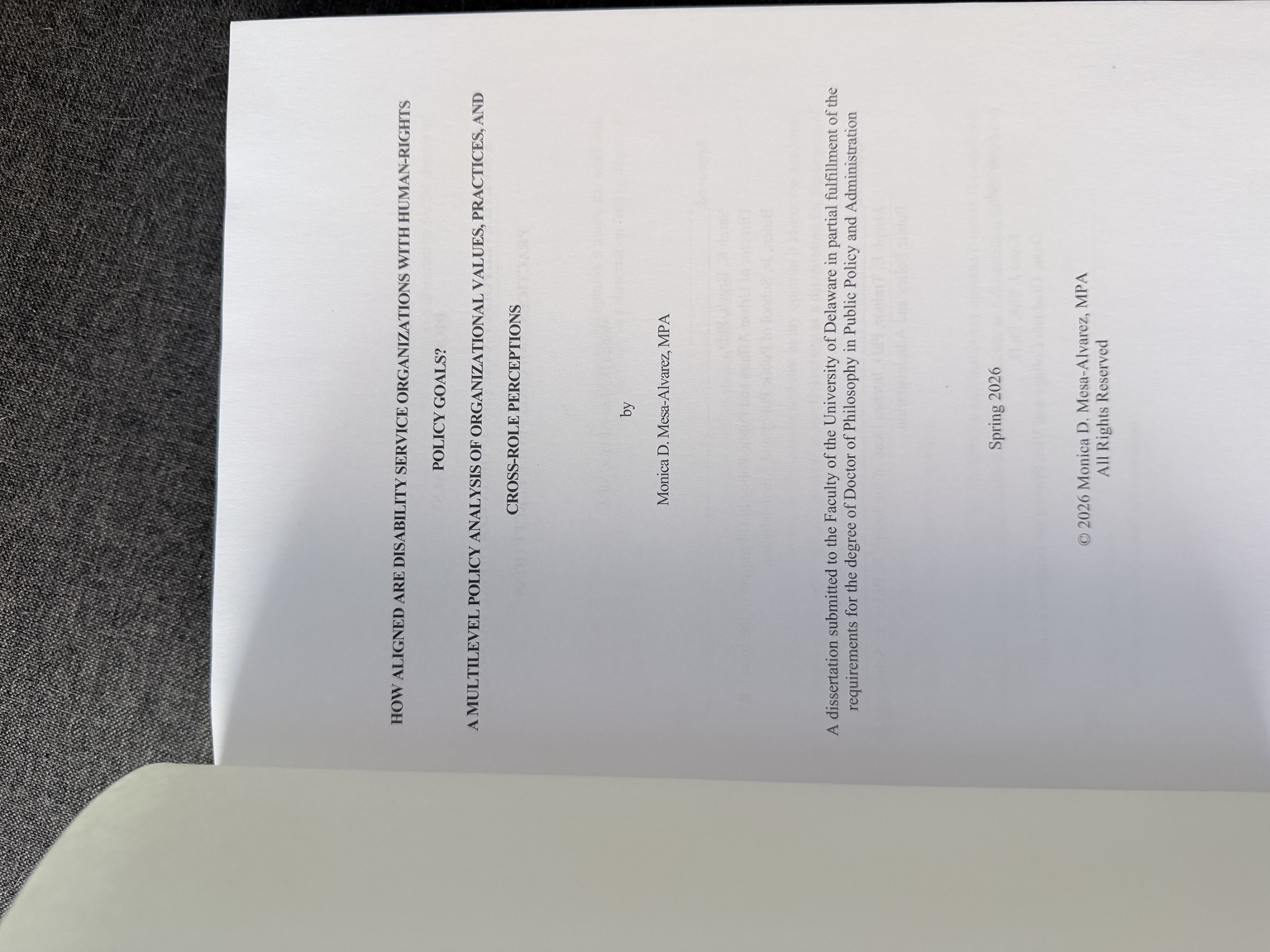
This understanding has become especially meaningful in my work advancing the human rights of people with intellectual and developmental disabilities.
So much of the history of disability discrimination has been shaped by fear: fear of difference, fear of what society does not understand, and assumptions about what people with disabilities can or cannot do. These fears have helped justify exclusion, segregation, institutionalization, and the denial of opportunities that others take for granted.
And yet, the history of disability advocacy tells a profoundly different story. More than 35 years ago, fearless disabled leaders crawled the steps of the United States Capitol. Their actions made visible a truth that institutions had resisted: rights cannot depend on whether those in power are comfortable with difference.
I have had the privilege of learning from advocates whose courage, determination, and willingness to challenge established ideas have transformed the way I understand leadership. They have questioned systems that others accepted as inevitable. They have insisted that their voices, choices, contributions, and dreams matter.
They have also taught me that knowledge does not belong exclusively to researchers, professionals, or institutions. Lived experience is knowledge. Self-advocacy is expertise. The people most affected by our policies must be central to shaping them.
Their leadership reminds me that being fearless does not necessarily mean never experiencing fear. Sometimes it means knowing your rights, recognizing your worth, asking difficult questions, and refusing to accept that the world must remain governed by fear. That is the kind of courage I admire. It is the kind of leadership I aspire to practice and the kind I continue to learn from at NLCDD.
Turning knowledge into action
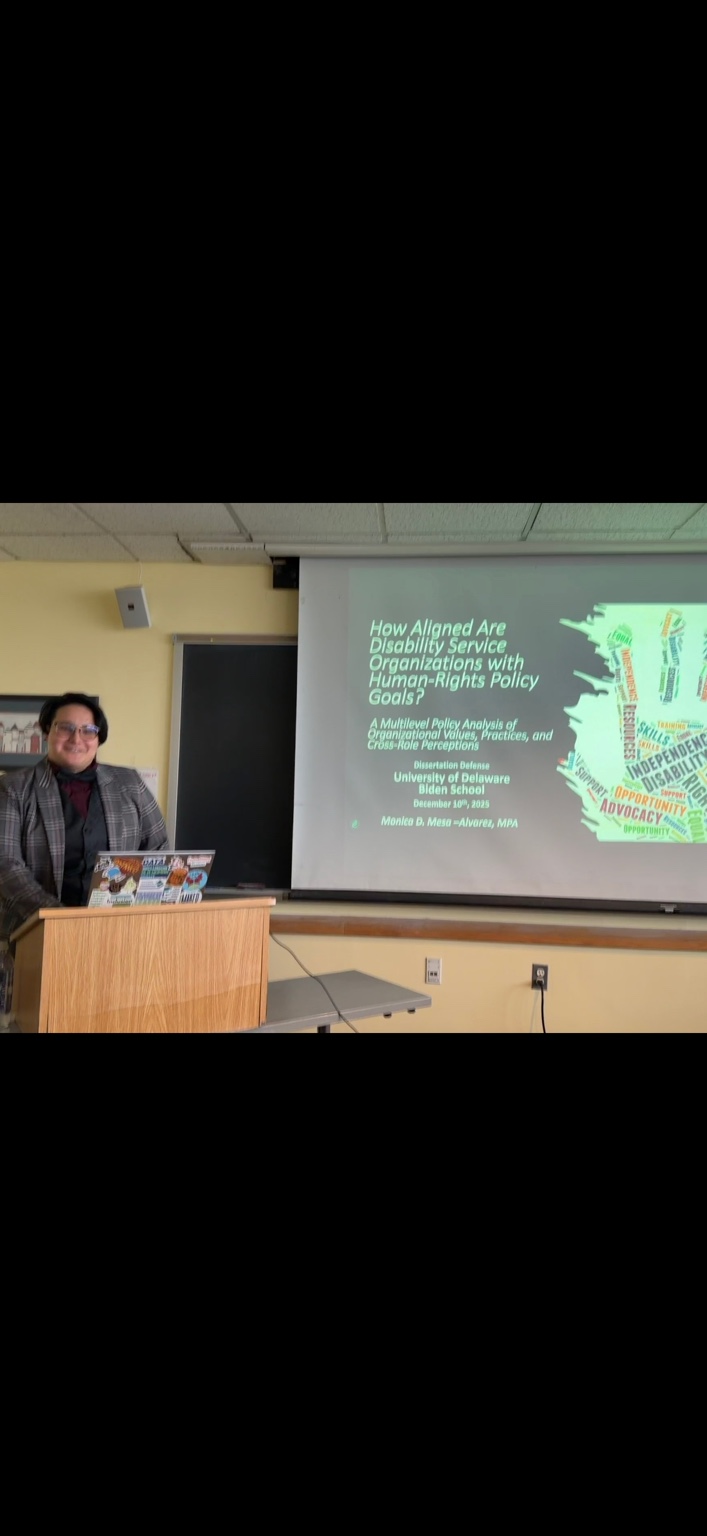
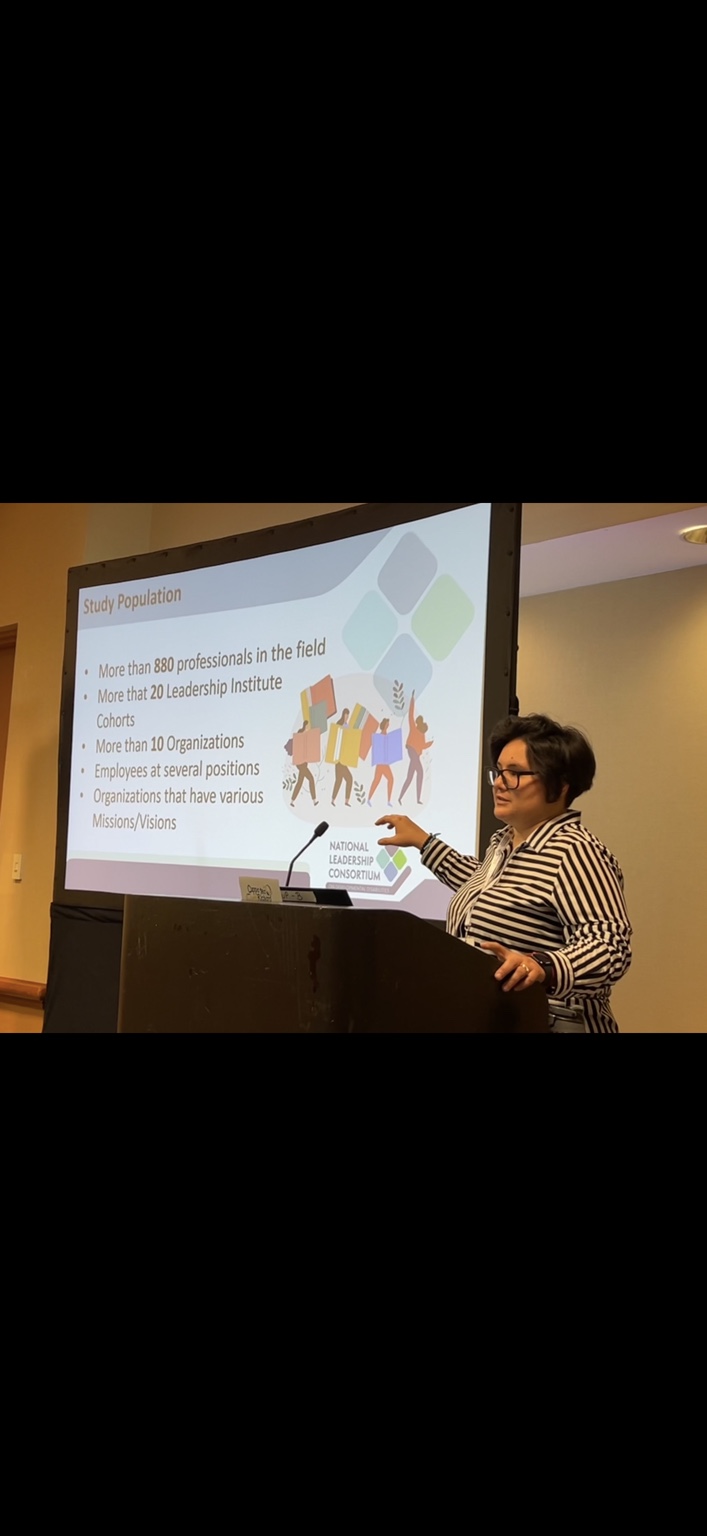
As a scholar, I see my responsibility as more than producing evidence or answering academic questions. I want the knowledge I help generate to challenge harmful assumptions, confront fear-based beliefs, inform better decisions, and contribute to systems in which people with disabilities can exercise their rights, make meaningful choices, and participate fully in their communities.
But knowledge alone does not create justice. We must also be willing to listen, confront power, question the structures that perpetuate inequality, and act on what we learn.
Perhaps that is why Curie's words resonate with me so deeply today. They connect the scientist I was trained to be, the researcher and advocate I am now, and the leader I am continuously becoming.
They remind me that there is something profoundly adventurous about learning, about allowing new knowledge to change us, and about recognizing that we will never have all the answers but should keep asking more questions.
Perhaps that is one of the most important things I have learned about leadership: we do not need to know everything to move forward, but we must never lose the courage to keep learning.
I want to spend my life asking better questions, seeking deeper understanding, and helping turn what we learn into opportunities for others.
Ultimately, I believe the pursuit of knowledge is also a pursuit of possibility. When we replace assumptions with understanding, challenge fear with curiosity, and turn knowledge into action, we create more room for human dignity, freedom, and belonging.
That is what Marie Curie's words mean to me. And that is the kind of leader I hope to keep becoming.
Keep reading